


Is Fluoride Toothpaste Actually Necessary? A Balanced Look at the Science
Fluoride toothpaste has been recommended by dentists for decades. Yet today, many people are asking:

Is fluoride toothpaste actually necessary — or is it just tradition?
With growing interest in fluoride-free options and “natural” products, it’s reasonable to want clarity. Here’s a balanced look at what the science says — and what really matters most for long-term oral health.
(This article is for educational purposes only and does not replace professional dental advice.)
If you have a history of cavities, dry mouth, braces, or specific medical conditions, ask your dentist for personalised advice.
What Is Fluoride and Why Is It Used?
Fluoride is a naturally occurring mineral found in water, soil and certain foods.
In dentistry, it’s used because it strengthens enamel and helps prevent cavities.
Every day, your enamel loses minerals due to acid produced by bacteria — especially after consuming sugar. This process is called demineralisation.
Fluoride helps by:
-
Supporting remineralisation
-
Strengthening enamel structure
-
Making teeth more resistant to acid attacks
In simple terms, it helps repair early microscopic damage before it becomes decay.
The Proven Benefits of Fluoride Toothpaste
Fluoride is one of the most studied ingredients in modern dentistry.
Reduced Cavities
Research has found that fluoride toothpaste can reduce cavity rates in both children and adults.
Stronger Enamel
Fluoride integrates into enamel, improving its resistance to erosion.
Preventative Protection
For people prone to cavities, orthodontic patients, or children developing permanent teeth, fluoride offers measurable protection.
For higher-risk individuals, most dental professionals recommend fluoride toothpaste as a preventative measure.
Common Concerns About Fluoride
Despite broad support from major dental organisations, fluoride continues to be discussed and debated. Understanding the most common concerns can help people make informed decisions about their oral care.
Dental Fluorosis
Dental fluorosis can occur when young children consume excessive fluoride while their teeth are still developing.
It usually appears as faint white streaks or spots on the enamel and is often cosmetic, although severity can vary. This is why supervised brushing and using the correct amount of toothpaste is important.
Dental guidelines typically recommend using a smear of toothpaste for children under three and a pea-sized amount for children aged three to six, while supervising brushing to minimise swallowing.
Toxicity Concerns
Fluoride, like many minerals and nutrients, can be harmful in very large amounts. However, the fluoride levels used in toothpaste are considered safe when used as directed — brushing with a small amount and spitting it out rather than swallowing.
Health authorities emphasise that toothpaste should not be swallowed, and young children should be supervised during brushing.
Personal Preference
Some people prefer to limit certain additives in everyday products, including fluoride. While fluoride toothpaste has strong evidence supporting its effectiveness in reducing tooth decay, personal preferences and individual dental needs can vary.
Discussing oral care choices with a dental professional can help determine what approach is most appropriate.
Fluoride-Free Toothpaste: Does It Work?
Fluoride-free toothpaste often uses alternatives such as:
-
Hydroxyapatite
-
Xylitol
-
Calcium compounds
Some ingredients show promising research, particularly hydroxyapatite. However, fluoride remains the most extensively studied and widely endorsed for cavity prevention.
But toothpaste is only one part of oral health.
What Actually Matters More Than Fluoride
When asking “is fluoride toothpaste necessary,” it’s important to zoom out.
Tooth decay is primarily driven by:
-
Sugar frequency
-
Acid exposure
-
Inconsistent brushing
-
Poor plaque removal
Even the best toothpaste cannot compensate for poor habits.
Brushing Technique
Thorough plaque removal is foundational. Gentle brushing for two minutes, twice daily, matters more than brand choice.
Consistency
Skipping brushing sessions has a greater impact than choosing fluoride vs fluoride-free toothpaste.
Diet
It’s often the frequency of sugary snacks and drinks — not just the total amount — that increases the risk of tooth decay.
The Tool You Use
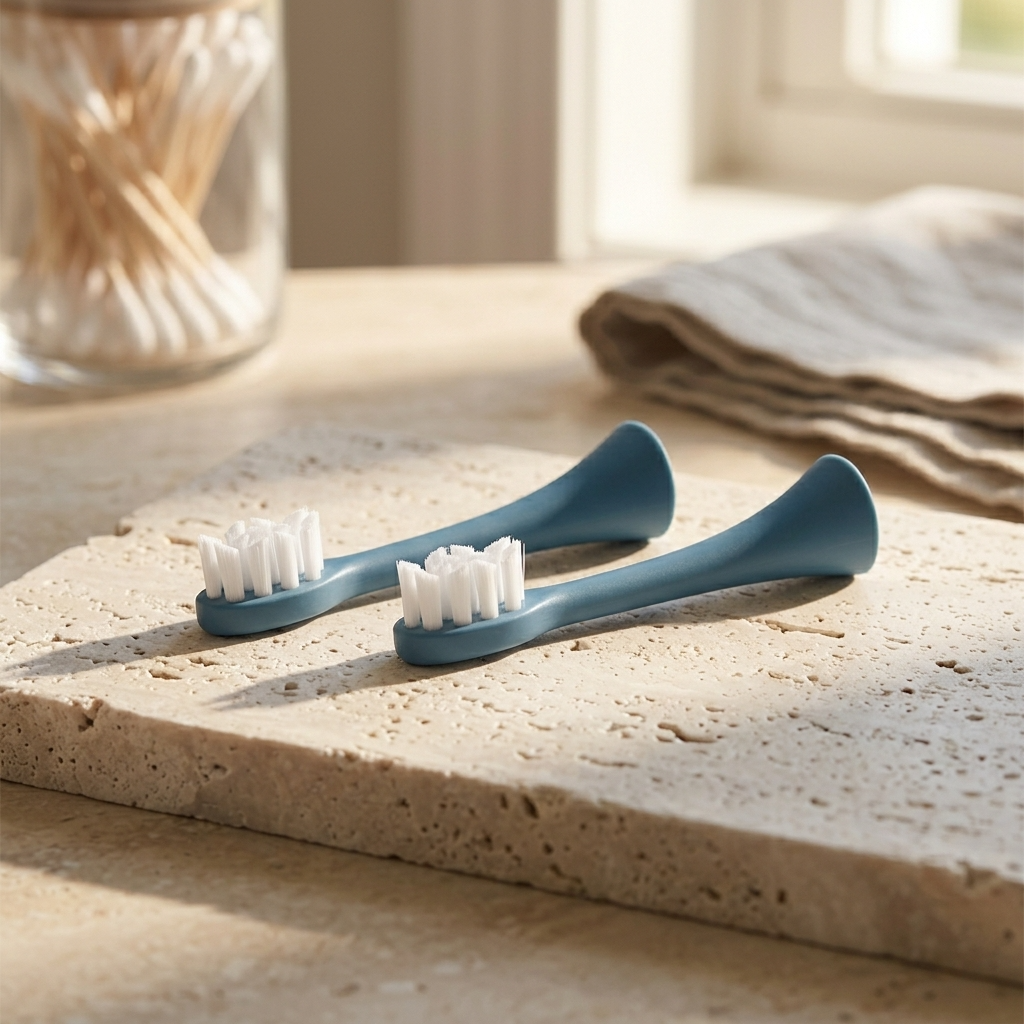
The quality of your toothbrush plays a major role. Effective vibration patterns, well-designed bristles and consistent performance improve plaque removal over time.
Fluoride supports enamel.Brushing removes the problem in the first place.
So… Is Fluoride Toothpaste Necessary?
The honest answer: it depends.
Higher-Risk Individuals
Fluoride toothpaste is generally recommended for:
-
Children prone to cavities
-
Adults with frequent decay
-
Orthodontic patients
-
People with dry mouth
-
High sugar diets
Lower-Risk Adults
If you maintain:
-
Low sugar intake
-
Regular dental visits
-
No history of ongoing cavities
You may choose fluoride or fluoride-free toothpaste based on preference and professional advice.
There is no universal answer for everyone.
The most important factor is consistency and technique — not a single ingredient.
Frequently Asked Questions
Is fluoride dangerous?
Fluoride is considered safe and effective for preventing tooth decay when used at recommended levels in toothpaste. Health authorities worldwide support its use in oral care products.
Like many substances, very large amounts can be harmful if swallowed. However, the levels found in regulated toothpaste are designed to be safe when used as directed and spat out after brushing.
Can adults use fluoride-free toothpaste?
Yes, some adults choose fluoride-free toothpaste. However, fluoride toothpaste has the strongest evidence for reducing cavities.
Adults who are prone to tooth decay may benefit from fluoride toothpaste, while those with low cavity risk may discuss alternatives with their dentist.
Is fluoride toothpaste safe for children?
Yes, when used appropriately. Dental guidelines recommend:
-
A smear of toothpaste for children under 3
-
A small pea-sized amount for children aged 3–6
Children should be supervised while brushing to minimise swallowing.
Final Thoughts
The question “is fluoride toothpaste necessary” doesn’t have a simple yes-or-no answer.
Fluoride has strong evidence supporting its role in reducing cavities. At the same time, oral health depends far more on daily habits than a single ingredient.
What protects your teeth most is:
-
Brushing consistently
-
Managing sugar intake
-
Using quality oral care tools
-
Seeking personalised dental advice
Fluoride may strengthen enamel.
But daily habits protect your smile.


Leave a comment
This site is protected by hCaptcha and the hCaptcha Privacy Policy and Terms of Service apply.