
Are Electric Toothbrushes Worth It? An Honest Answer
Most people ask this question when their manual toothbrush starts to feel like it's not doing enough — or when they're standing in a pharmacy aisle, staring at a $200 price tag, wondering if it's all just clever marketing.
Here's an honest look at what the research says, what actually matters, and how to decide if making the switch is right for you.

What does the research actually say?
The short answer: yes, electric toothbrushes generally clean more effectively than manual ones — but the difference isn't as dramatic as some brands would have you believe.
A large review of clinical studies found that electric toothbrushes reduce plaque and gingivitis (gum inflammation) more than manual brushing over time. Sonic toothbrushes in particular — which use high-frequency vibrations rather than mechanical rotation — can help dislodge plaque beyond where the bristles directly touch, making them especially effective for people who tend to miss areas around the gum line or between teeth.
That said, technique matters just as much as the tool. A manual toothbrush used consistently and correctly will always outperform an electric toothbrush used poorly.
So what are you actually paying for?
When you buy an electric toothbrush, you're paying for a few things:
Consistency. The motor does the work for you. You move the brush across your teeth; it handles the cleaning motion. This reduces the chance of brushing too hard or missing areas — which is where most people go wrong with manual brushing.
Gum protection. Sonic toothbrushes use a gentler vibration pattern than aggressive manual scrubbing, which naturally encourages a lighter touch. Moving the brush slowly across each tooth and letting the sonic action do the work reduces the risk of brushing too hard — a common issue with manual brushing that can cause gum recession over time."
Routine reinforcement. Most sonic toothbrushes include a built-in two-minute timer, which sounds trivial — but most people who brush manually don't brush for the full recommended time. Having a timer makes a real difference.
When does it make the most sense to switch?
An electric toothbrush tends to deliver the most noticeable improvement for people who:
- Brush for less than two minutes
- Press too hard with a manual brush
- Struggle to reach the back teeth or gum line consistently
- Have sensitive gums or early gum disease
- Want a more effortless daily routine
If you already have perfect brushing technique and habits — a manual brush can work just as well. But for most people, it's easier to brush well with an electric toothbrush than to maintain perfect technique manually, twice a day, every day.
What about the cost?
This is where most people get stuck. Entry-level electric toothbrushes start around $30–$40, while premium models can run well over $200. Neither extreme is necessarily the right answer.
The real cost calculation isn't just the upfront price — it's the total cost of ownership over time. That includes replacement brush heads (which most people need every two to three months), charging cables, and how long the handle itself actually lasts.
A cheap toothbrush with expensive proprietary heads can cost more over three years than a mid-range toothbrush with more affordable replacement options. And a plastic handle that breaks after 18 months ends up costing more — financially and environmentally — than a durable one that lasts for years.
It's worth looking at what you're actually buying, not just the sticker price.
What should you look for?
If you've decided to make the switch, here's what actually matters:
Sonic technology over oscillating. Sonic brushes vibrate at 30,000–40,000 strokes per minute and clean beyond the bristle contact zone. Most modern electric toothbrushes are sonic — it's worth confirming before you buy.
Battery life. A brush that needs charging every week adds friction to your routine. Look for at least 30 days of battery life from a single charge.
Durable construction. Plastic handles crack, degrade, and end up in landfill. A toothbrush with a metal or alloy body is built to last significantly longer and tends to feel better in the hand.
Brush head availability and cost. Make sure replacement heads are easy to get and reasonably priced. Some brands lock you into expensive proprietary heads — factor that into your decision.
Sustainability. Most brush heads are made from conventional plastics. If that matters to you, look for brands using plant-based or reduced-plastic alternatives.
The bottom line
Electric toothbrushes are worth it for most people — not because they're magic, but because they make it easier to brush consistently and correctly. The research supports better plaque removal and gum health outcomes over time.
But not all electric toothbrushes are created equal. The best one is the one you'll actually use every day — one that feels good, lasts, and fits naturally into your routine.

Ready to make the switch?
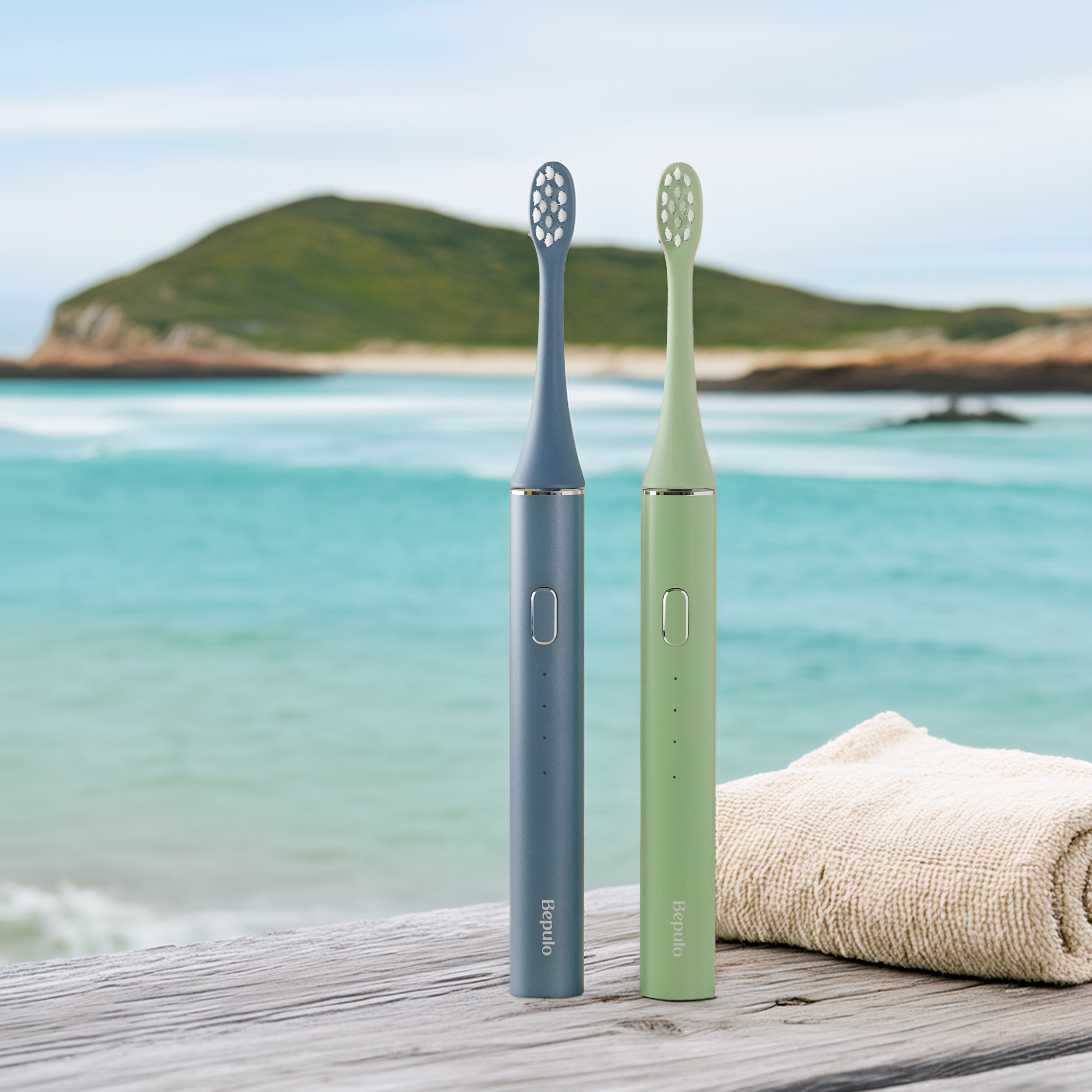
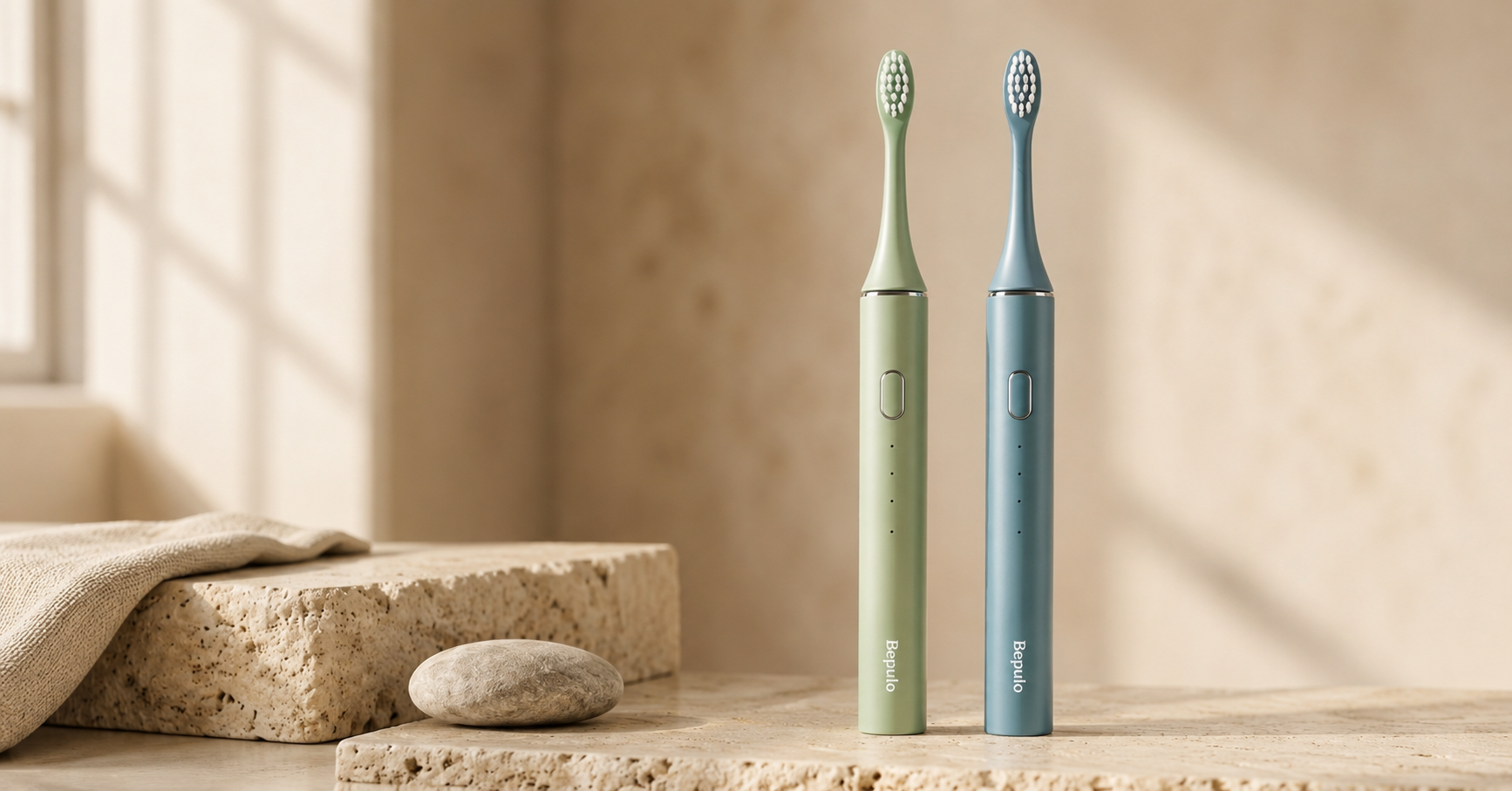
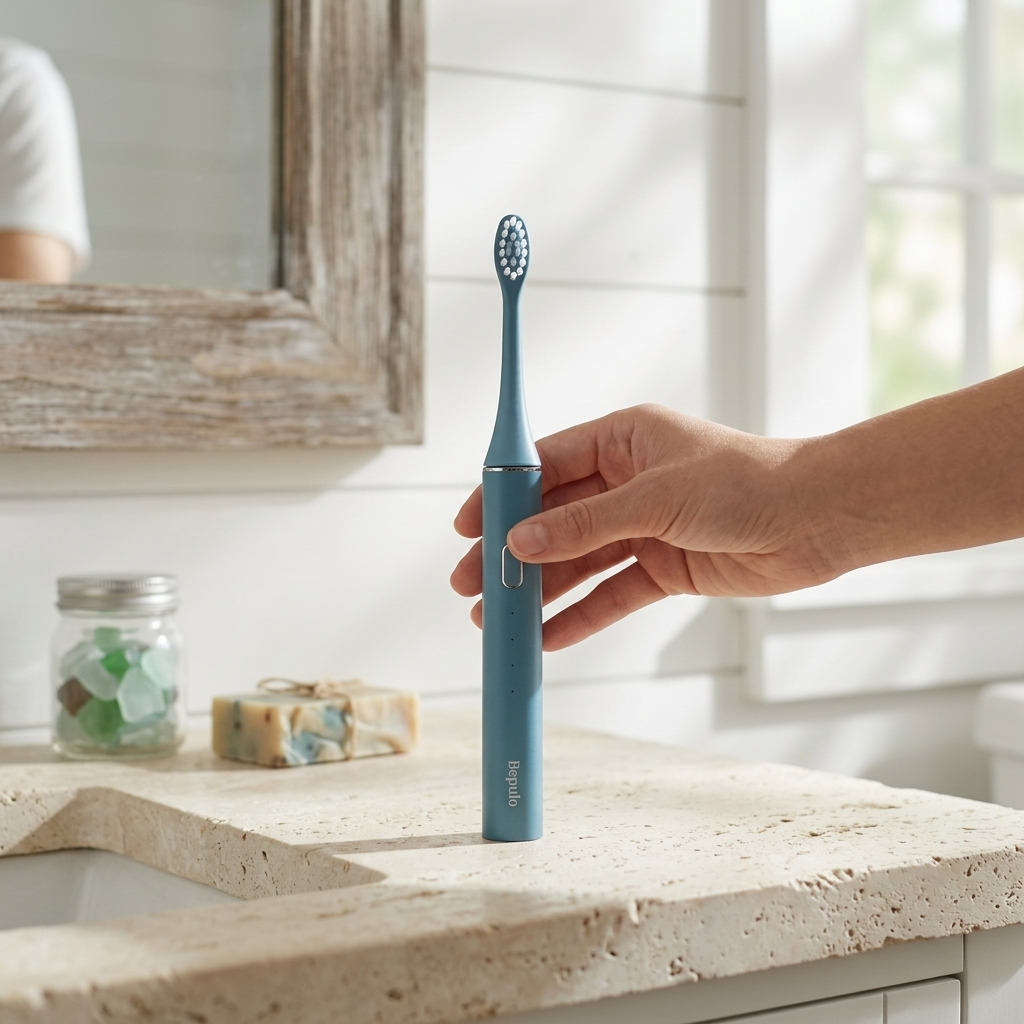
The Bepulo Next Sonic Electric Toothbrush combines clinically supported sonic cleaning with a durable alloy handle and plant-based brush heads — designed for Australian families who want a premium clean without the throwaway feel.
Backed by a 100-day satisfaction guarantee. Ships same business day. Australian-owned.
— The Bepulo Team


Leave a comment
This site is protected by hCaptcha and the hCaptcha Privacy Policy and Terms of Service apply.