
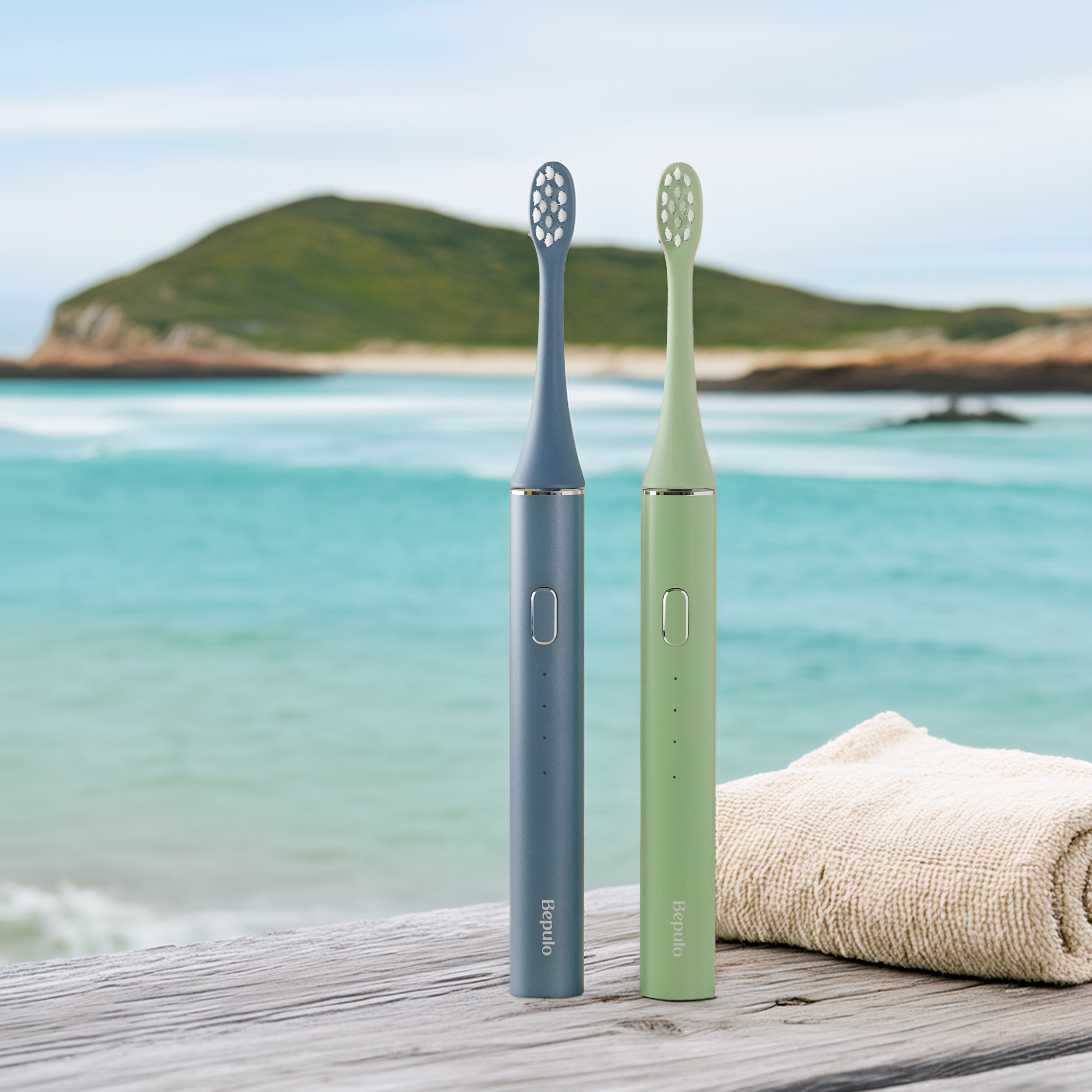

Can You Take an Electric Toothbrush on a Plane?
Yes, you can generally take an electric toothbrush on a plane. A standard rechargeable electric toothbrush can usually be packed in either your carry-on or checked baggage, although carrying it in the cabin is often the simplest option.
Because electric toothbrushes contain batteries, there are a few packing rules worth understanding before you travel.
The Short Answer
The Australian Civil Aviation Safety Authority specifically includes electric toothbrushes among the battery-powered personal-care devices permitted on aircraft.
For an electric toothbrush containing a rechargeable lithium-ion battery of less than 100 watt-hours:
- It can generally be carried in your cabin baggage.
- It can generally be packed in checked baggage.
- Carry-on baggage is recommended.
- If checked, it must be completely switched off and protected from damage and accidental activation.
An ordinary electric toothbrush has a much smaller battery than the 100Wh limit. However, airline requirements can differ, particularly on international or connecting flights, so check with your airline before departure.
Should You Pack Your Electric Toothbrush in Carry-On or Checked Baggage?
Although either may be permitted, we recommend placing your electric toothbrush in your carry-on baggage.
Keeping it with you makes it less likely to be damaged or accidentally switched on by pressure from other items in a checked suitcase. It also means you still have your toothbrush if your checked luggage is delayed.
Australian aviation guidance recommends carrying electronic devices with lithium-ion batteries under 100Wh in the cabin.
Can an Electric Toothbrush Go in Checked Baggage?
Yes, a standard electric toothbrush can generally be placed in checked baggage, provided it meets the applicable battery limits.
When packing it in checked luggage:
- Switch the toothbrush off completely.
- Protect the power button from accidental activation.
- Place it in a secure travel case.
- Pack it where it will not be crushed or damaged.
- Do not pack the device if its battery is damaged, swollen, overheating or subject to a safety recall.
CASA requires battery-powered devices in checked baggage to be completely switched off and protected against damage and unintended activation.
How to Pack an Electric Toothbrush for a Flight
A little preparation can prevent your toothbrush from switching on inside your bag or arriving with a damaged brush head.
Switch it off
Make sure the toothbrush is not operating before packing it. Avoid placing pressure directly against the power button.
Protect the brush head
Use a ventilated brush-head cover or a properly designed travel case. This helps keep the bristles from touching the inside of your toiletry bag.
Allow the brush head to dry before enclosing it whenever possible.
Keep the handle secure
A fitted case provides better protection than placing the toothbrush loose among other toiletries. It also reduces the risk of the toothbrush being switched on accidentally.
Separate the brush head if necessary
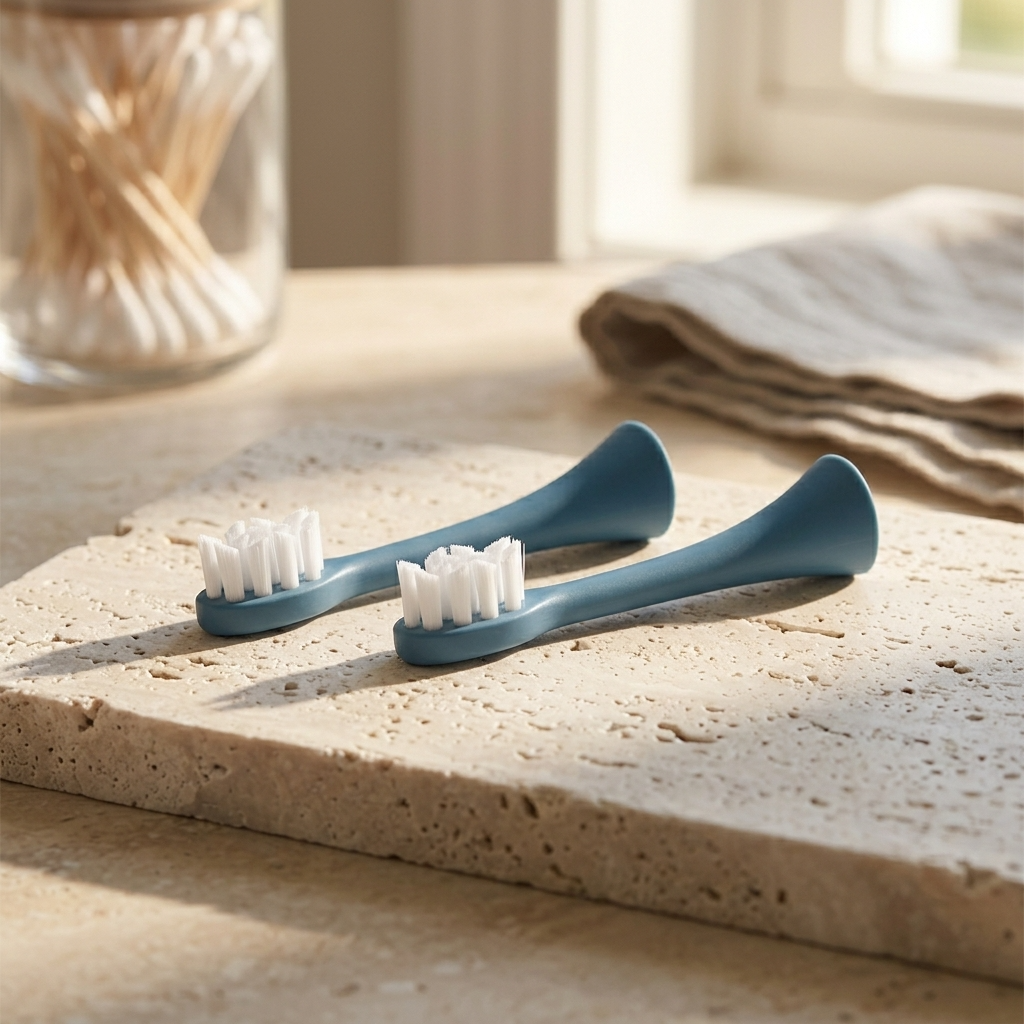
Removing the brush head can make the toothbrush more compact and protect the connection point. Keep both parts clean and dry during travel.
Pack the correct charging equipment
Bring the charging base or cable only when needed. A toothbrush with a longer battery life may last through a short trip without being recharged.
The Bepulo Next sonic toothbrush provides more than 30 days of typical battery life, so many travellers will not need to pack the charger for shorter trips.
What About an Electric Toothbrush Travel Case?
A travel case keeps your toothbrush contained and protected from contact with other items inside your luggage.
A useful electric toothbrush travel case should:
- Protect the handle and brush head.
- Prevent pressure against the power button.
- Be easy to clean.
- Allow the brush head to be stored neatly.
- Fit comfortably inside your cabin bag.
- Support convenient charging where applicable.
The Bepulo UVC Travel Case encloses the toothbrush between uses and uses built-in UVC technology to support a cleaner storage environment. It can also charge the Bepulo Next when the case is connected to power.
Because the travel case contains its own rechargeable battery, we recommend packing it in your carry-on baggage and checking the conditions of your airline before travelling.

Can You Take a Toothbrush Charger on a Plane?
Yes. A standard electric toothbrush charging cable or charging base can generally be packed in either carry-on or checked baggage.
A charger without its own battery is not treated as a spare lithium battery. Keep cords organised and protect charging connections from damage.
Power banks are different. They contain standalone lithium batteries and must be carried in cabin baggage rather than checked luggage.
Can You Take Toothpaste in Carry-On Baggage?
Yes, but toothpaste is treated as a liquid or gel for aviation-security purposes.
For international flights departing Australia, carry-on liquids, aerosols and gels are generally limited to containers of no more than 100 millilitres. A larger toothpaste tube may need to be packed in checked baggage, even when it is partly empty.
Domestic screening requirements can differ, and international rules may vary by departure country. Check the airport and airline requirements for every part of your journey.
Will an Electric Toothbrush Go Through Airport Security?
Yes. Electric toothbrushes routinely pass through airport security screening.
You would not normally need to remove a small electric toothbrush from your bag unless security staff request it. Screening procedures vary between airports, so follow the directions given at the checkpoint.
A toothbrush may occasionally attract closer inspection because it contains a motor, electronics and a battery. This does not mean the item is prohibited.
Can You Use an Electric Toothbrush on the Plane?
An electric toothbrush is generally best kept switched off and stored during the flight.
While brushing in an aircraft bathroom may not be expressly prohibited, it can be inconvenient and unhygienic due to the limited space and shared surfaces. Brushing before boarding or after arriving is usually more practical.
Follow all cabin-crew directions regarding the use of electronic devices.
Travelling Internationally With an Electric Toothbrush
Before travelling overseas, check:
- The voltage requirements of your charging equipment.
- Whether you need a plug adaptor.
- The battery rules of each airline operating your journey.
- Any rules applying at connecting airports.
- Whether your toothbrush has enough charge for the entire trip.
Many USB-powered charging systems can be used with a suitable adaptor, but always check the voltage information printed on the charger before connecting it overseas.
Frequently Asked Questions
Can you bring an electric toothbrush in carry-on luggage?
Yes. For a standard electric toothbrush with a small installed battery, carry-on baggage is generally the recommended option.
Can you put an electric toothbrush in checked luggage?
Usually, yes. It must be completely switched off, protected from damage and packed so it cannot activate accidentally.
Does an electric toothbrush count as a lithium-battery device?
Many rechargeable electric toothbrushes contain a small lithium-ion battery. This means airline battery rules apply, although the battery is normally far below the 100Wh limit used for common portable electronics.
Do I need to remove the battery?
No. The battery in most rechargeable electric toothbrushes is permanently installed and does not need to be removed for ordinary air travel.
Should I fully charge my toothbrush before travelling?
Charging before departure can remove the need to carry a charging base on a short trip. Avoid travelling with any device that shows signs of battery damage, swelling or overheating.
The Bottom Line
You can generally take an electric toothbrush on a plane in either your carry-on or checked baggage.
Carry-on is usually the better choice because it protects the toothbrush from damage, reduces the likelihood of accidental activation and ensures it remains with you if checked luggage is delayed.
Switch it off, protect the brush head and handle, and use a secure travel case. If the case contains its own rechargeable battery, keep it in your cabin baggage unless your airline confirms otherwise.
Airline and aviation-security requirements can change, so always check the current rules for your airline and destination before travelling.

Leave a comment
This site is protected by hCaptcha and the hCaptcha Privacy Policy and Terms of Service apply.