

Australia's Oral Health Plan, and the Half That Happens at Home
On 4 September, Australia's health ministers named dental reform a national priority and set up a body to carry it forward: the National Oral Health and Dental Reform Senior Officials Group.
It is a line in a communiqué rather than a headline, and it will change nothing in anyone's bathroom this week. It is worth noticing all the same.
The previous framework, Healthy Mouths, Healthy Lives — Australia's National Oral Health Plan 2015–2024, reached the end of its decade. Its successor was consulted on and has not been released.
In August, more than forty dentists travelled to Parliament House to ask for it. The Australian Dental Association's president, Dr Chris Sanzaro, put the case plainly: a national oral health plan, he said, is not a luxury.
The numbers underneath the argument
The figures come from the Australian Institute of Health and Welfare, and they are not new, which is rather the point.
At the last national survey of adult oral health, around 32 per cent of Australians aged fifteen and over had untreated tooth decay. One in four people who needed to see a dental professional in the previous twelve months delayed the visit or did not go at all, and 16 per cent of them gave cost as a reason.
In 2024–25 there were close to 89,200 hospitalisations for dental conditions that earlier care could have prevented — the highest rate among children aged five to nine.

Read together, those numbers describe a problem of access rather than of effort. People are not neglecting their teeth so much as postponing the appointment — and a postponed appointment has a way of becoming a more expensive one, and not only a dental one.
Untreated gum disease has been studied for its associations with conditions well beyond the mouth, which we have written about at greater length here. It is part of why the profession argues this belongs inside health policy rather than beside it.
Brushing and check-ups go hand in hand
A national plan can widen access to a chair, fund a public waiting list, put a dental therapist in a school. The other half of the work happens at home, and the two halves are not rivals. What happens daily decides how much there is to find; the appointment finds it while it is still small.
The daily half is well established and pleasantly dull. Two minutes, twice a day, with something soft enough to be kind to the gums. Cleaning between the teeth by flossing regularly. And regular checkups, because a problem caught early is the cheapest one you will ever have.
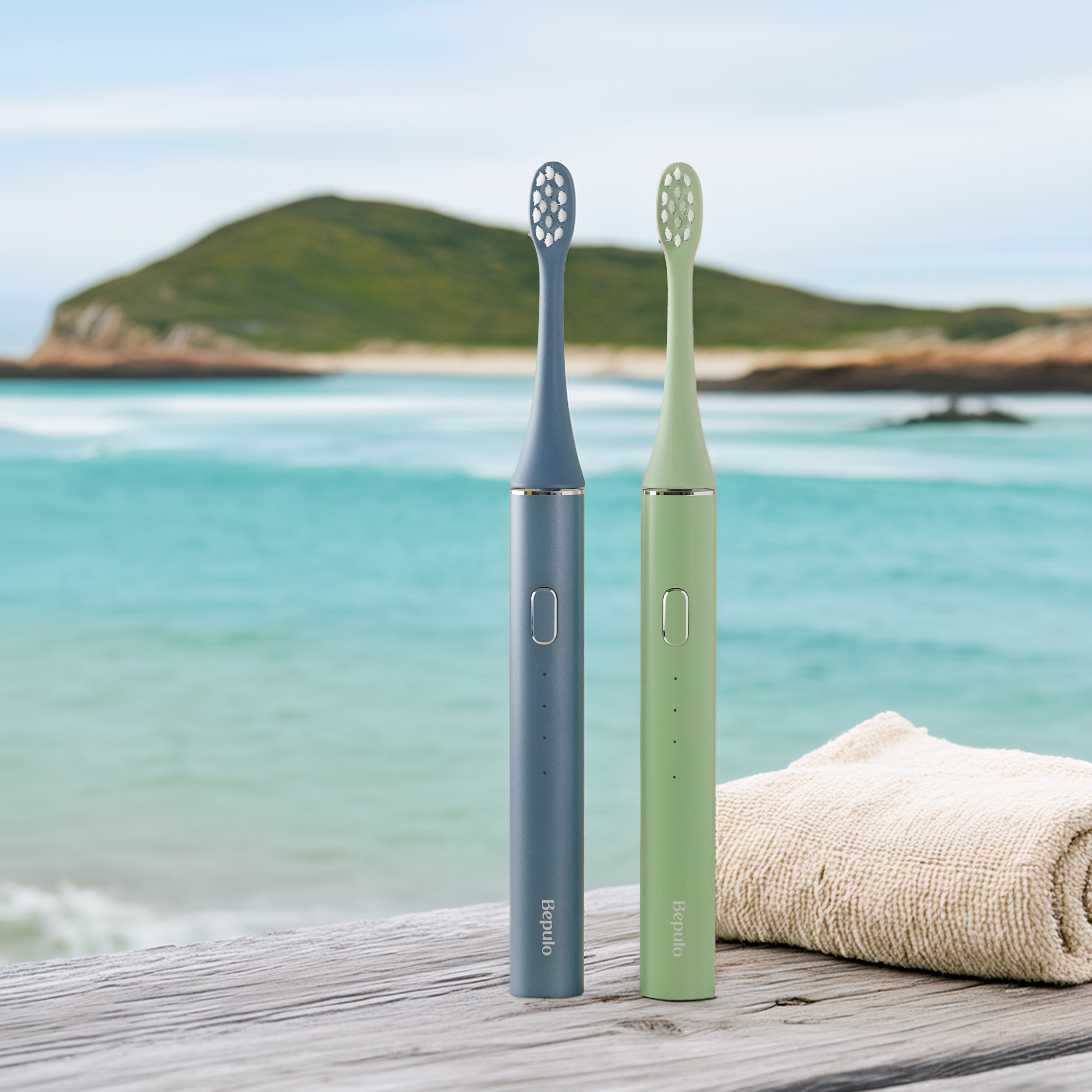
Bepulo is built for that half. The Bepulo Sonic Electric Toothbrush runs a two-minute cycle and marks each thirty seconds within it, so the timing looks after itself, and the plant-based heads come back to us through the Bepulo Loop once they are worn.
Sources: Health Ministers Meeting communiqué, 4 September 2026; Australian Institute of Health and Welfare, “Oral health and dental care in Australia”; ABC News, 12 August 2026.


Leave a comment
This site is protected by hCaptcha and the hCaptcha Privacy Policy and Terms of Service apply.